Inclusion

Inclusion at The Blue School

The Blue School, where every child is known, valued, understood and supported to thrive.

At The Blue School, we want every child to feel that they belong, that their voice matters and that the adults around them believe in their potential. We take time to know each child as an individual, celebrating their strengths, interests and experiences, while recognising and understanding any barriers they may face. This understanding shapes the relationships we build, the teaching we provide and the support we put in place, ensuring every child feels valued, included and has the opportunity to thrive.

Our Christian vision speaks to, “Nurturing wisdom, hope and dignity in everyone, to build Christian community”, guides this work. Hope keeps our expectations ambitious. Dignity shapes the way we listen and respond. Wisdom helps us choose thoughtful teaching and support. Community brings children, families, staff and specialists together, with a shared commitment to helping every child flourish.

The Blue School Christian vision

Inclusion is a shared responsibility across our school. Our teachers, Assistant Teachers, therapists and specialist team work together so that children can participate in learning, develop friendships and grow in confidence and independence. We welcome and value families of all faiths and none.

TBS SEND Information Report 2026 DRAFT

TBS SEND And Inclusion Policy 2026-27 DRAFT

TBS Core Pedagogy Families Information Guide 2026-27 DRAFT

The Blue School Inclusion Strategy 2026 27 DRAFT

TBS Graduated Approach

Any forms or documents contained within these policies can be found at the bottom of this page.
“The vision’s focus on building a strong community is reflected in the highly inclusive culture.”

SIAMS Inspection Report, 19th May 2026.

Inclusive teaching in every classroom

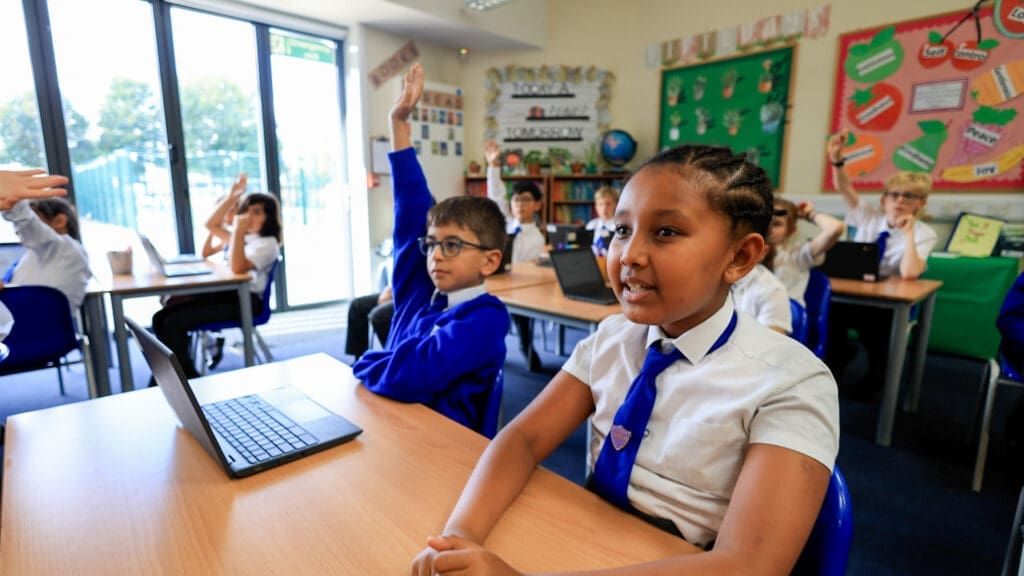
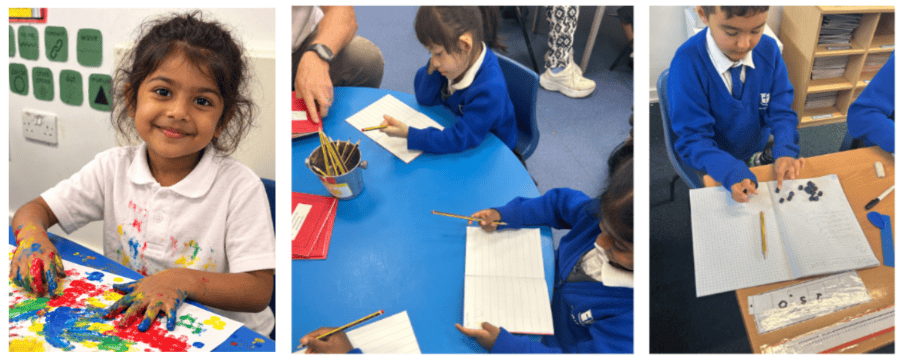
Our inclusive approach begins with high quality classroom teaching. Teachers plan an ambitious curriculum, understand children’s starting points and adapt how learning is explained, practised and demonstrated. Clear routines, accessible resources, purposeful talk and careful checks on understanding help children take part.

Our shared TBS Inclusive Core Pedagogy shapes every child’s learning experience and underpins our universal offer, ensuring that every child feels valued, included and supported to thrive. Adults make new learning clear, show children how to approach a task, find out what they understand and adjust the next step. Children have time to practise, revisit important learning and experience success with increasing independence.

Teachers have received training in the Education Endowment Foundation’s five a day approach. These approaches inform the choices staff make for the children in front of them.

What this means for your child: 

  • Explicit instruction:

    Clear explanations, demonstrations and guided practice before children work more independently.

  • Cognitive and metacognitive strategies:

    Learning ways to remember information, plan a task, solve problems and check understanding.

  • Scaffolding:

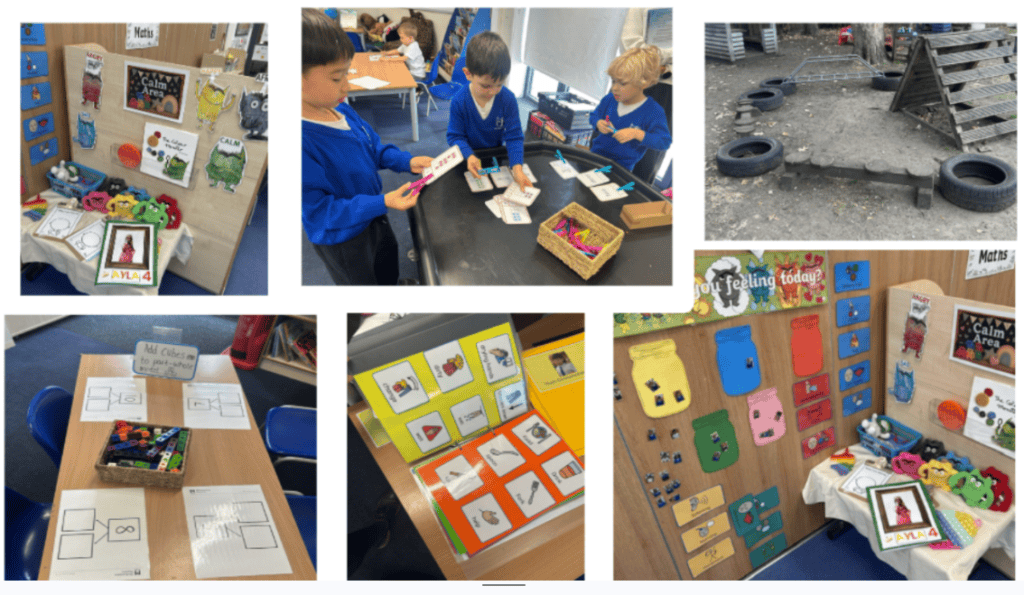
    Visuals, practical resources, sentence prompts and worked examples that make the next step accessible.

  • Flexible grouping:

    Working with different peers according to the learning purpose and current need.

  • Using technology:

    Carefully chosen tools that help children access information, communicate and show their understanding.

These five approaches are drawn from the Education Endowment Foundation’s guidance on supporting high quality teaching for pupils with SEND. EEF

Support is adjusted as children’s confidence and independence develop. Communication tools and reasonable adjustments remain available for as long as they are needed. A child may explain a scientific idea through talk, pictures or practical demonstration while developing the language needed to record it.

Read the EEF five a day guidance

“My teachers know what helps me. If I get stuck, I can ask, use my pictures or show them. I like being with my class, and I feel proud when I can do something by myself.”  

Year 3 child.

“We feel that our child is known and understood at The Blue School. Staff listen to what we notice at home and explain how they are helping in school. The support feels joined up, and we can see our child growing in confidence and feeling part of the school community.”             

A Year 3 Parent

Our Graduated Approach: Supporting Every Child

At The Blue School, our graduated approach deliberately turns the traditional triangle upside down. By placing our universal offer at the top, at its widest and most prominent point, we make our greatest priority immediately visible: high quality inclusive teaching for every child, every day.

Our model begins with the classroom, where the everyday interactions between teachers and children have the greatest reach and influence. Targeted, Targeted Plus and Specialist provision sit beneath this, reflecting how additional support builds upon and strengthens our universal offer. Rather than presenting inclusion as a bottom up journey towards specialist provision, our triangle reflects our belief that inclusion begins with what every child experiences in their classroom, regardless of their individual needs or level of support.

Tier 1: Universal Support (All Children)

Every child benefits from our core inclusive pedagogy, including clear explanations, visual resources, adaptive teaching and the EEF five a day approaches. We ensure learning is accessible, ambitious and engaging for everyone.

Tier 2: Targeted Support (Some Children)

Your child may benefit from additional small group teaching or focused interventions in areas such as reading, mathematics, communication or emotional wellbeing. Progress is regularly reviewed to ensure support is effective.

Tier 3: Targeted Plus

Your child may have an individual learning plan, personalised strategies and support from our Inclusion Team and therapists. We work closely with families to review progress and adapt provision.

Tier 4: Specialist

Children with more complex needs may receive specialist provision, often supported through an Education, Health and Care Plan (EHCP). Teachers, therapists and families work together to support learning, communication, wellbeing and independence.

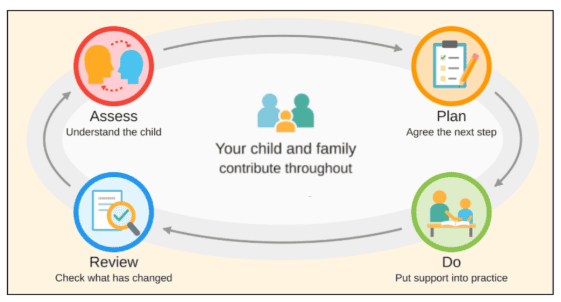
Across all four levels, we follow the Assess, Plan, Do, Review cycle, ensuring support responds to your child’s changing needs.

Our approach reflects a simple belief: every child belongs, every child can achieve and every child deserves to thrive.

Hounslow’s SEND Provision

The Hounslow SEND Local Offer provides families with information about the support, services and advice available to children and young people with SEND across the borough.

As part of the Local Offer, Hounslow’s Ordinarily Available Provision sets out the support schools should provide through their own resources. At The Blue School, this includes early identification, adapting teaching, communication, resources and the learning environment, and working closely with families. Children do not need an Education, Health and Care Plan (EHCP) to receive this support.

London Borough of Hounslow

We use Hounslow’s guidance to inform provision across communication and interaction, cognition and learning, social, emotional and mental health needs, and sensory and physical needs. Support responds to the child’s needs and can begin while assessments or advice are being sought.
Explore Hounslow Ordinarily Available Provision

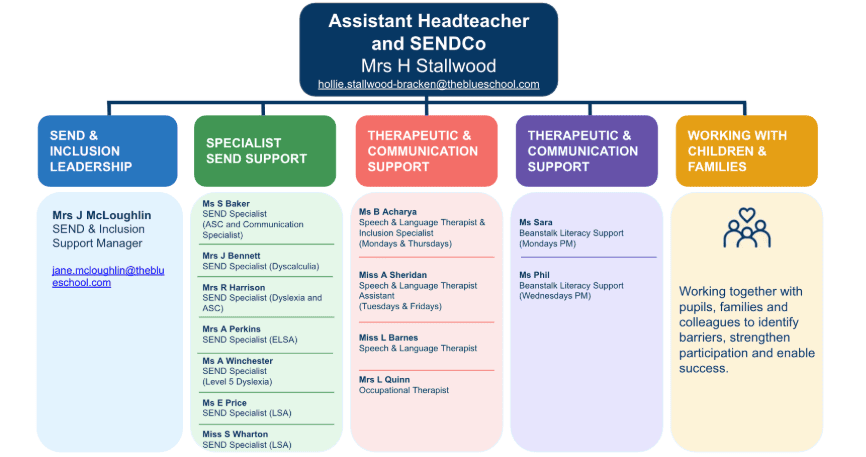
Our specialists and therapists working alongside our staff

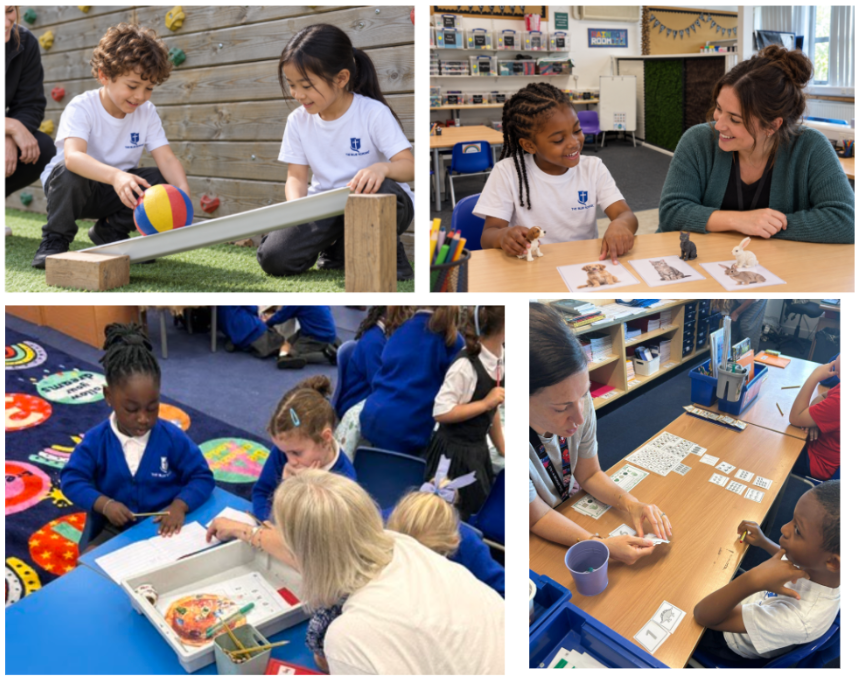
At The Blue School, we have a dedicated team of Speech and Language Therapists, an Occupational Therapist and trained Therapy Assistants who work closely with our teachers, children and families. Therapeutic support is an integral part of school life, with specialist advice and strategies embedded into everyday teaching, play and routines. Through direct therapy, staff coaching and personalised support, we ensure children have opportunities to practise and develop their skills throughout the five day school week, not only during individual therapy sessions. This joined approach strengthens children’s communication, independence, confidence and participation alongside their peers.

The support a child receives is based on their assessed needs and agreed plan. Specialist input can include assessment, individual or small group work, classroom observation, modelling strategies, staff training and review. Teachers remain responsible for each child’s learning, with the specialist team helping them make well informed adaptations.

Our wider inclusion team brings experience in autism and communication, dyslexia, dyscalculia, complex needs and emotional literacy. This means that children can receive focused support while remaining closely connected to their class and the wider school community.

Communication at the heart of our inclusion strategy

Speech, language and communication are a priority within our inclusion strategy. Our school community includes children with significant and complex communication needs. Being able to understand, express an idea, ask for help or join a conversation makes a difference to learning, friendships and wellbeing.

Miss Bhavna works with teachers and Assistant Teachers to strengthen communication support across the school. Her work includes specialist advice, staff training and targeted group work. Staff carry agreed approaches into lessons, play and everyday routines, giving children regular opportunities to practise useful communication skills.

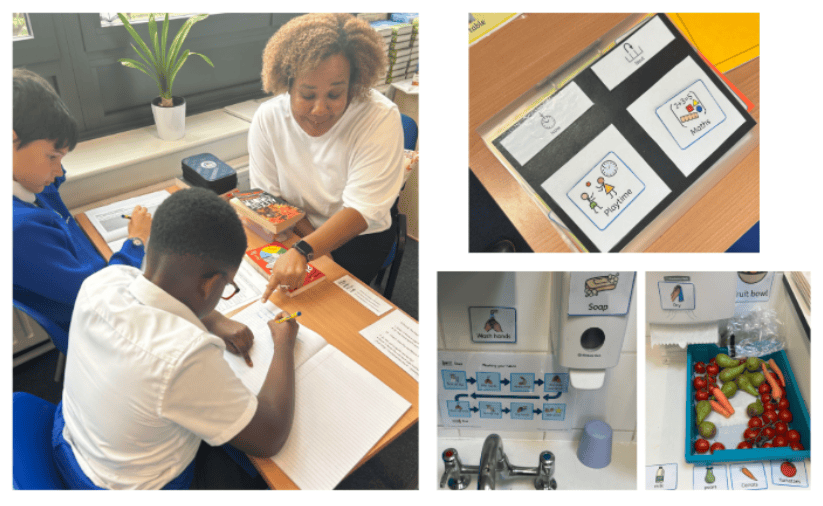
Support may include explaining and revisiting vocabulary, breaking spoken information into manageable steps, visual timetables, Now and Next prompts, processing time and structured opportunities for talk.

Children may use speech, gesture, signs, pictures or communication boards. Core boards provide symbols for useful everyday words. Where individually recommended, children may use the Picture Exchange Communication System, or PECS, with appropriately trained adults and specialist guidance.

We value what a child is communicating and help them make choices, share interests, express feelings and ask for what they need. The most useful progress is seen when children can use these skills confidently in different parts of their day.

A skilled and supported staff team

All our Assistant Teachers have received training to support children with complex needs in the Rainbow Room, supported by our shared handbook.

Teachers have undertaken training in inclusive practice and the EEF five a day approaches, autism training through Ambitious about Autism, and speech, language and communication training led by Bhavna.

We build on this through professional discussion, modelling, observation and review. Staff consider how their language, resources and responses help a child participate, and how the support they provide can develop independence.

Spaces that support learning and participation

The Rainbow Room

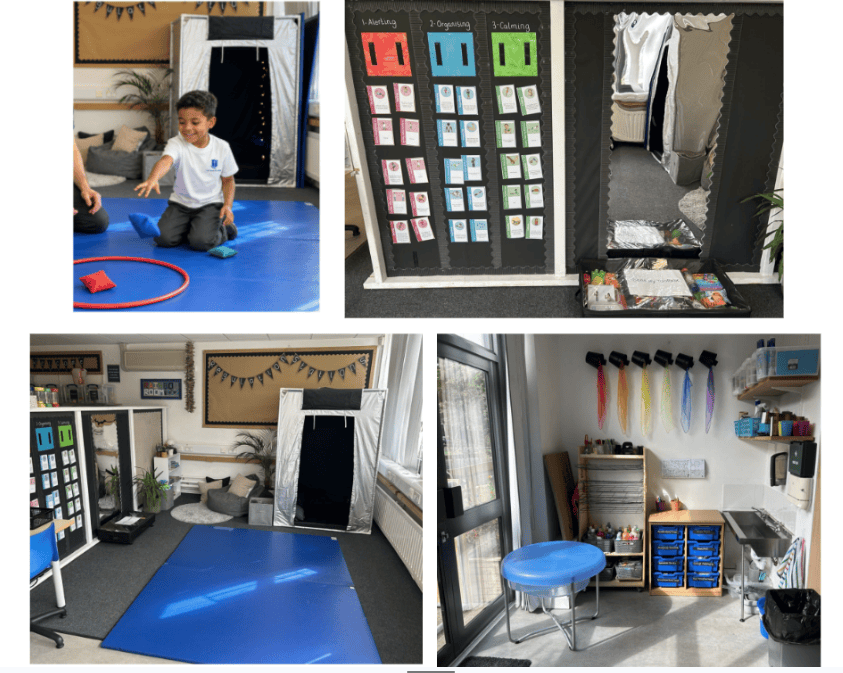
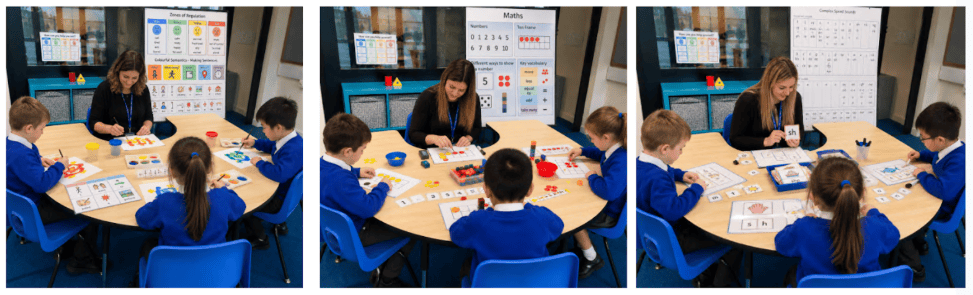
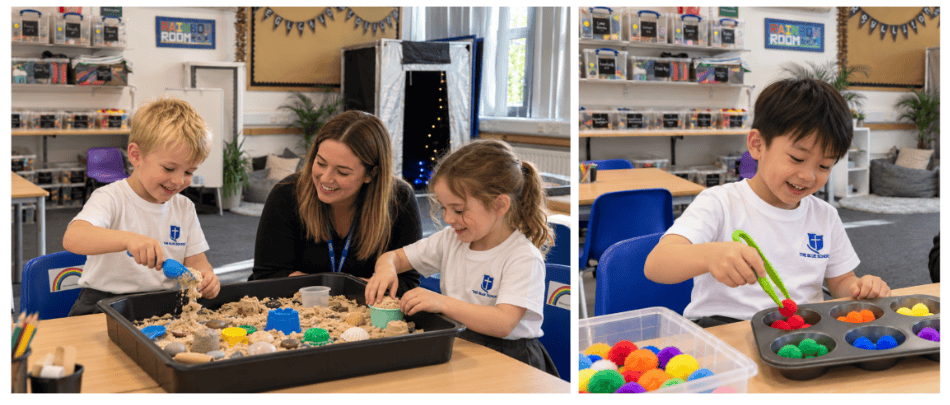
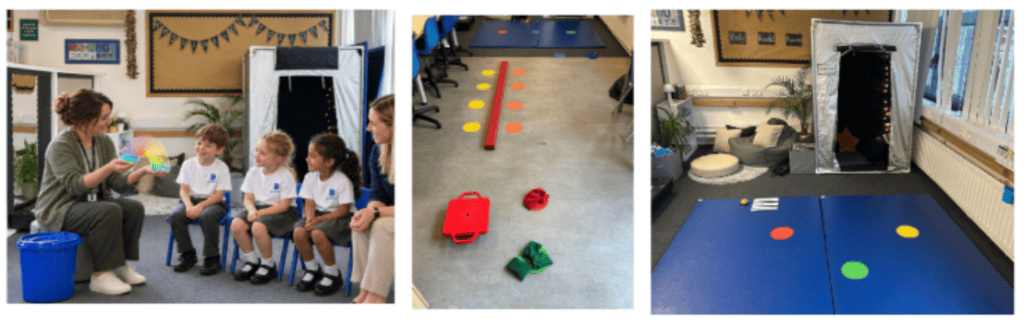
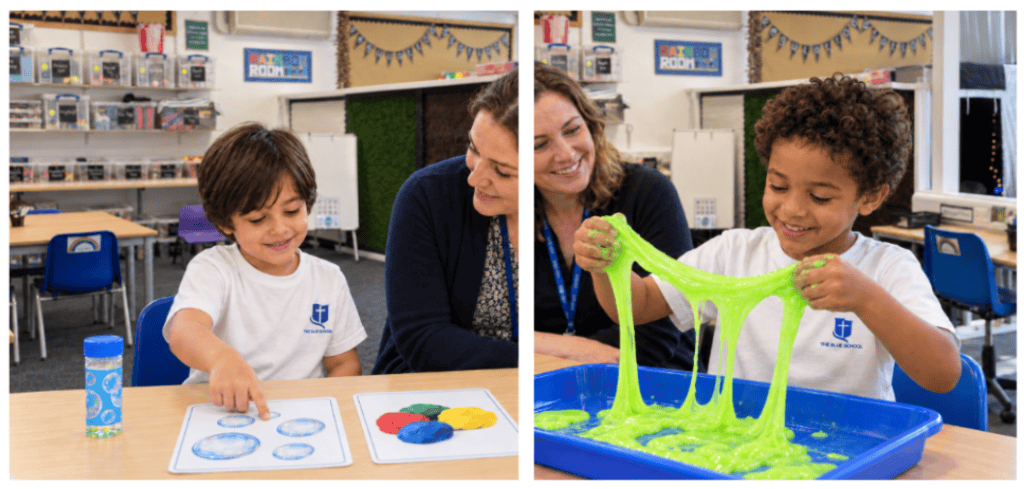
The Rainbow Room is a shared space used by our trained Assistant Teachers and therapists. Children can access its facilities throughout the school day when they need additional support, with adult guidance matched to their needs and the activities taking place.

The room supports communication, learning, sensory needs and emotional regulation. It provides space for individual or small group teaching, therapeutic work and supported learning in a calmer environment. Staff link this work with classroom learning and each child’s priorities so that the skills developed here are useful across the school day.

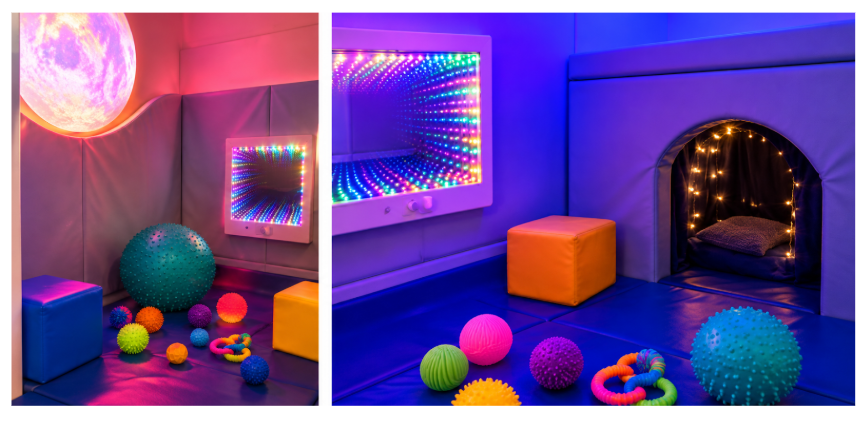
The Sensory Room

Our Sensory Room provides a space where children can explore carefully chosen sensory experiences or have time to regulate with adult support. Staff consider each child’s preferences and responses, drawing on specialist advice where appropriate. The purpose is to help children feel comfortable, understand their needs and participate in their day.

The Ark

The Ark is our specialist room for focused academic interventions. Children work on identified priorities such as reading, writing and mathematics through carefully planned individual or small group teaching. Staff review what children have learned and whether they can use it in class, adjusting support as their understanding and independence develop.

Interaction, communication and emotional wellbeing

Children learn best when they feel safe, understood and connected to the adults around them. We recognise that a child’s actions can communicate frustration, uncertainty, sensory discomfort or a need for help. Adults consider what the child is experiencing and what would make the situation more manageable.

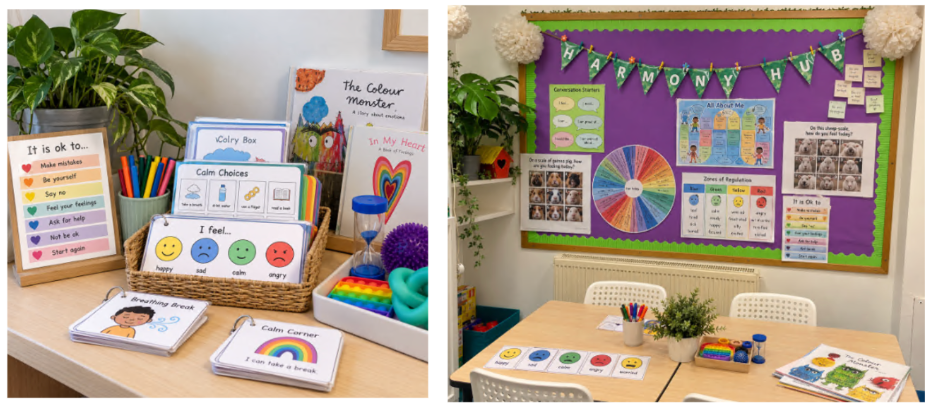
Our approach combines warm relationships with clear, consistent expectations. Our school expectations of Ready, Respectful and Responsible are taught in ways children can understand. Adults use calm language, predictable routines, visual support, processing time and meaningful choices. They support children to recognise feelings, communicate needs and practise ways of managing difficult moments.

Some children need an adult to help them become calm before they can reflect or solve a problem. We call this co regulation. Personalised interaction and communication plans, and risk assessments where needed, help staff respond consistently, support safety and plan adjustments. When children are ready, adults help them understand what happened, repair relationships and practise a helpful next step.

Mrs Perkins, our trained Emotional Literacy Support Assistant, provides ELSA support for identified emotional needs. This can include understanding feelings, developing confidence, friendships and managing change. Support is planned with clear aims and reviewed with the adults who know the child.

Our PSHE curriculum and everyday pastoral care also help children learn about relationships and wellbeing. Where further advice is needed, we work with families and relevant services, including educational psychology, school nursing and local mental health services.

Our Interaction and Communication for Children with SEN document explains the approaches adults use across school.

The Blue School ELSA Parent Questionnaire .docx

Supporting children who use English as an additional language

Our children bring a rich range of languages, knowledge and experiences to The Blue School. We value multilingualism and encourage families to continue talking, reading and sharing stories in the languages they know best. These languages are an important part of a child’s identity, relationships and learning.

We work with families to understand the languages a child uses, their previous education and their interests. Teachers assess and review listening, speaking, reading and writing in English, recognising that a child may be at different stages in each. Our English language proficiency tracking helps staff identify useful next steps and adapt support.

Children learn English alongside the knowledge and language of the curriculum. Pictures, practical experiences, carefully explained vocabulary, sentence prompts, structured talk and suitable bilingual resources help them join in and show what they know. Reading support brings together learning to read written words, understanding their meaning and developing vocabulary, according to each child’s needs. These approaches reflect the Bell Foundation’s emphasis on multilingualism, curriculum access and appropriate support.

Children who speak English confidently may still need support with complex vocabulary, inference and the language used in different subjects. Teachers continue to check understanding and provide appropriate challenge as language develops.

EAL and SEND are different, and some children need support with both. We consider the child’s progress and development across languages and settings, listen carefully to families and seek specialist advice where needed. This helps us distinguish learning English from an additional learning or communication need and provide timely support.

Working together with children and families

Families know their children in ways that help us understand what matters to them. We welcome your observations, questions and hopes. If you are concerned about your child’s learning, communication, wellbeing or experience of school, please speak to their class teacher or contact Mrs Hollie Stallwood, our SENDCo.

Early conversations help us put useful support in place. We bring together what the child and family tell us with classroom observations, assessment and advice from other professionals. Where SEN Support is needed, we agree a learning plan with clear priorities, practical strategies and review arrangements.

Our graduated approach – working together: Assess, Plan, Do, Review

  1. Assess. Understand the child’s strengths, needs and experiences, drawing on information from home, school and relevant professionals.
  2. Plan. Agree the outcomes that matter, the teaching and support needed, and how progress will be reviewed.
  3. Do. Put the agreed support into practice, with the class teacher coordinating learning and staff applying the agreed approaches.
  4. Review. Consider what has changed for the child, listen to their views and their family’s experience, and adapt the next steps.

Learning plans are reviewed with families at least termly, with earlier discussion when needs change or support needs adjusting. We share manageable suggestions for home and explain the purpose of any targeted support.

For children with an EHCP, we work with families and relevant professionals to deliver the special educational provision specified in the plan, reviewing progress through the statutory annual review process and more frequent discussion where needed. We also help families understand requests for an Education, Health and Care needs assessment when this is appropriate.

Listening to each child

Children help us understand what makes learning easier, where they feel comfortable and what they would like to achieve. They may share this through conversation, pictures, drawing, signs, choices or their communication system. We also notice their responses across the day and check our understanding with the people who know them well.

Pupil views and family contributions, including All About Me Form, help shape classroom adjustments, learning plans and reviews. We want children to recognise their strengths, understand the support available and feel increasingly confident asking for what they need.

Supporting change and transition

We plan transitions with children, families and the adults who will support them next. This includes starting school, changing class and moving to secondary school or another setting. Depending on the child, preparation may include photographs, visual information, additional visits, familiar adults and sharing successful approaches. The aim is for children to feel understood and prepared as they take their next step.

An inclusive curriculum and wider school life

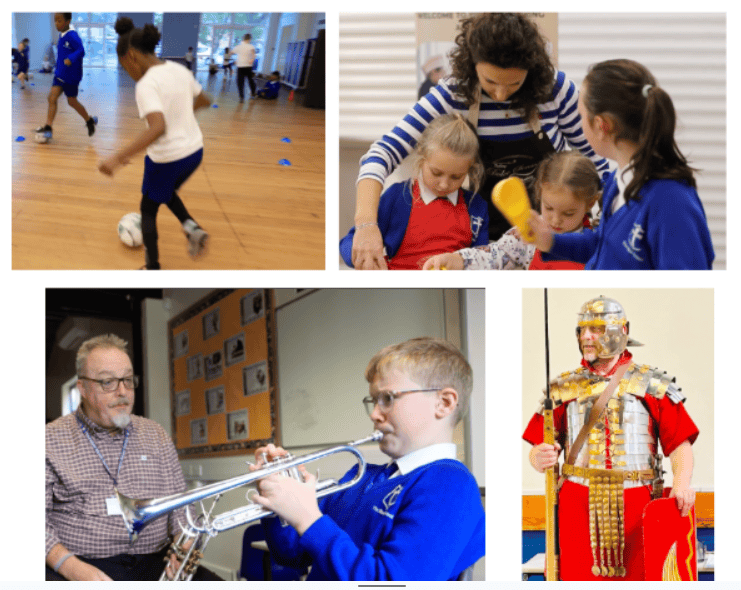
Children’s needs and talents inform the way we plan access to the full curriculum. We value achievement in reading, writing and mathematics alongside creativity, science, sport, music, faith and reflection. Teachers choose adaptations that help children engage with meaningful learning and develop their particular strengths.

Inclusion extends to play, trips, performances, worship and enrichment. We plan reasonable adjustments with families and staff so that children can participate safely and with dignity. This may involve preparation, visual information, changes to resources, accessible arrangements or additional adult support.

We review the participation of children with SEND in opportunities such as music and our clubs for Years 3 to 6. Understanding who takes part, what they enjoy and which barriers remain helps us make practical improvements.

We work with families when health, anxiety or other needs make attendance difficult, bringing together educational, pastoral and medical advice as appropriate. Individual healthcare arrangements and transition support help children remain connected with learning and their school community.

Our Accessibility And Equalities Policy sets out how we continue to improve access to the curriculum, information and environment.

Reviewing the difference our support makes

We review support through the difference it makes to each child’s learning and experience of school. This includes progress in the curriculum and towards individual goals, communication, independence, wellbeing, attendance and participation.

A child being able to ask for help, join a group, explain their thinking or use a strategy independently can be an important sign of progress.

Leaders and our inclusion governor bring together evidence from learning walks, children’s work, learning plan reviews, intervention records, specialist advice and conversations with children and families. We consider whether skills are being used beyond an intervention session and adjust provision when the evidence shows that a different approach is needed.

Our inclusion strategy sets out the priorities we are developing, including speech, language and communication and the continuing expertise of our staff. It connects what children need with the actions we take and the outcomes we are working towards.

Our May 2026 SIAMS inspection recognised the school’s highly inclusive culture, the Rainbow Room’s support for communication and learning, and the care shown to families. We continue to build on this through thoughtful teaching, close partnership and careful review.

Read our May 2026 SIAMS report

MHST – Mental Health Support Teams

National Support PDF  MHST Helpline and Referral Information

Our school works in partnership with the Hounslow Mental Health Support Team, known as the MHST. The MHST works with schools across Hounslow to provide early help for children and families and to strengthen mental health and wellbeing across the whole school community.

In primary schools, the team can support parents and carers of children who are experiencing mild to moderate difficulties with anxiety, worries or behaviour. This may include a programme of guided self help, using evidence based approaches informed by Cognitive Behavioural Therapy.

The MHST also works closely with our Mental Health Lead and school staff. They provide consultation about individual children, advice about appropriate support and signposting to other services where a child may need something different or more specialist. Alongside individual support, the team helps us develop our whole school approach to emotional wellbeing. This can include parent workshops, staff support, groups and activities which help children understand emotions, develop strategies for regulation and build positive mental health.

If you are concerned about your child’s emotional wellbeing or mental health, please speak to us. With your agreement, we can discuss your concerns with our Hounslow MHST practitioner and consider together what support may be most appropriate. Parents and carers can also ask us whether their child’s needs would be appropriate to discuss during an MHST consultation. Where MHST support is appropriate, we will explain the next steps and involve you throughout.

The MHST is an early intervention service. If a child is experiencing more significant or complex mental health difficulties, the team can help us consider whether another service, including CAMHS, may be more appropriate. To find out more about Hounslow Mental Health Support Teams and the support available to families, please visit the Hounslow local offer or speak to a member of our school team.

Family Hubs

Support for families with children aged 0 to 19, or up to 25 for young people with SEND.

Website: fsd.hounslow.gov.uk/SynergyWeb/Family_Hubs/


Hounslow CAMHS

Assessment and treatment for children and young people with more severe or complex mental health difficulties.

Phone: 020 8483 2050

Email: wlm-tr.hounslowcamhs@nhs.net

CAMHS referrals are usually made by a professional such as a GP, school, SENDCo, social worker or other health professional.


Hounslow Youth Counselling Service

Free confidential counselling for young people aged 11 to 25. Young people can self-refer.

Phone: 020 8568 1818

Email: ask@hycscounselling.co.uk

Website: www.hycscounselling.co.uk


Urgent help

Mental Health Single Point of Access, available 24 hours a day:

0800 328 4444

If there is an immediate risk of harm, call 999 or go to A&E.

Information and support for families in Hounslow

These services provide information and support for families. If you are unsure where to start, please speak to us and we will help you find the most appropriate route.

Support available

Hounslow SEND Local Offer

Information about education, health, care, activities and local support for children and young people with SEND.

Hounslow SENDIASS

Information, advice and support about SEND. Families can contact the service directly.

Hounslow Parent Carers Forum

Opportunities to meet other families, share experiences and contribute to discussions about local SEND services.

Hounslow Family Hubs

Local advice, parenting support and connections to services for children and families.

Hounslow NHS speech and language therapy

Information about speech, language and communication, with local service guidance and resources.

Hounslow NHS occupational therapy

Information about supporting children’s participation and independence in everyday activities.

Hounslow CAMHS and Mental Health Support Teams

Information about local emotional wellbeing and mental health services, including school referral routes.

The borough and NHS pages provide current information about these services and their access arrangements. London Borough of Hounslow

Contact our inclusion team

Mrs Hollie Stallwood is our Assistant Headteacher and Special Educational Needs and Disabilities Coordinator (SENDCo). We warmly welcome conversations with parents and carers and are always happy to listen, offer guidance and work together to ensure children receive the support they need.

You can contact our SENDCo directly or through the school office to arrange a conversation.

If you have any questions or concerns about your child’s learning, development or the support they receive, please speak to their class teacher or our SENDCo. We value open and positive relationships with families and will always aim to work together to find the best way forward. Our school’s complaints procedure is also available should a concern remain unresolved.

Parents and carers can also complete our SENDCo Parent Support Request Form to share their concerns and request additional guidance or support.

We want every family to feel included and heard. Please let us know if an interpreter, an accessible format or any other adjustment would help you participate fully in conversations and decisions about your child.

Accessibility and Equality at The Blue School

Every child known. Every child included. Every child thriving.

At The Blue School, we believe every child deserves to feel welcomed, valued and able to participate fully in school life. Guided by our Christian vision and values of Hope, Dignity, Wisdom and Community, we are committed to removing barriers, promoting equality of opportunity and ensuring that every child has the support they need to thrive.

TBS Accessibility And Equalities Policy 2026 DRAFT

An inclusive education for every child

Accessibility begins in our classrooms. Through our Core Pedagogy, personalised Learning Plans and graduated approach, we adapt teaching to meet children’s individual needs while maintaining ambitious expectations.

Visual supports, communication resources, assistive technology, specialist advice and targeted interventions help children access learning and develop independence. We plan reasonable adjustments so that pupils can participate meaningfully in the curriculum, collective worship, school trips, clubs and wider opportunities.

Access to our school environment

Our school has accessible entrances, ramps, toilets and a lift serving the newer building. Some first-floor areas of the older building have restricted access, so we carefully consider classroom allocation, movement around the school and individual arrangements.

We work with families and specialists to plan appropriate adjustments for mobility, medical, sensory and communication needs, including individual care and evacuation arrangements where required.

Accessible information and communication

We aim to make school information clear and accessible to everyone. We use readable layouts, visual information and straightforward language, and can arrange alternative formats such as large print, audio or digital resources. Translation, interpretation and specialist formats can also be discussed where needed.

We recognise that disabilities and additional needs are not always visible, and that families may require different ways to access information or participate in school meetings.

Listening, reviewing and improving

We regularly review classroom environments, accessibility arrangements and inclusive teaching. Feedback from children, families and staff helps us understand what is working and where improvements are needed.

Our Accessibility and Equalities Policy, Report and Plan (2026 to 2029) outlines our commitments, equality objectives and priorities for continued improvement, with oversight from school leaders and governors.

How to contact us

If you have any questions about accessibility, require information in another format or would like to discuss adjustments for your child or family, please contact your child’s class teacher, our Inclusion Lead and SENDCo or the school office.

Email: office@theblueschool.com

Telephone: 020 8560 6721

We welcome conversations with families and will work together to identify appropriate arrangements.